Super Smash Bros. Guía y cronología
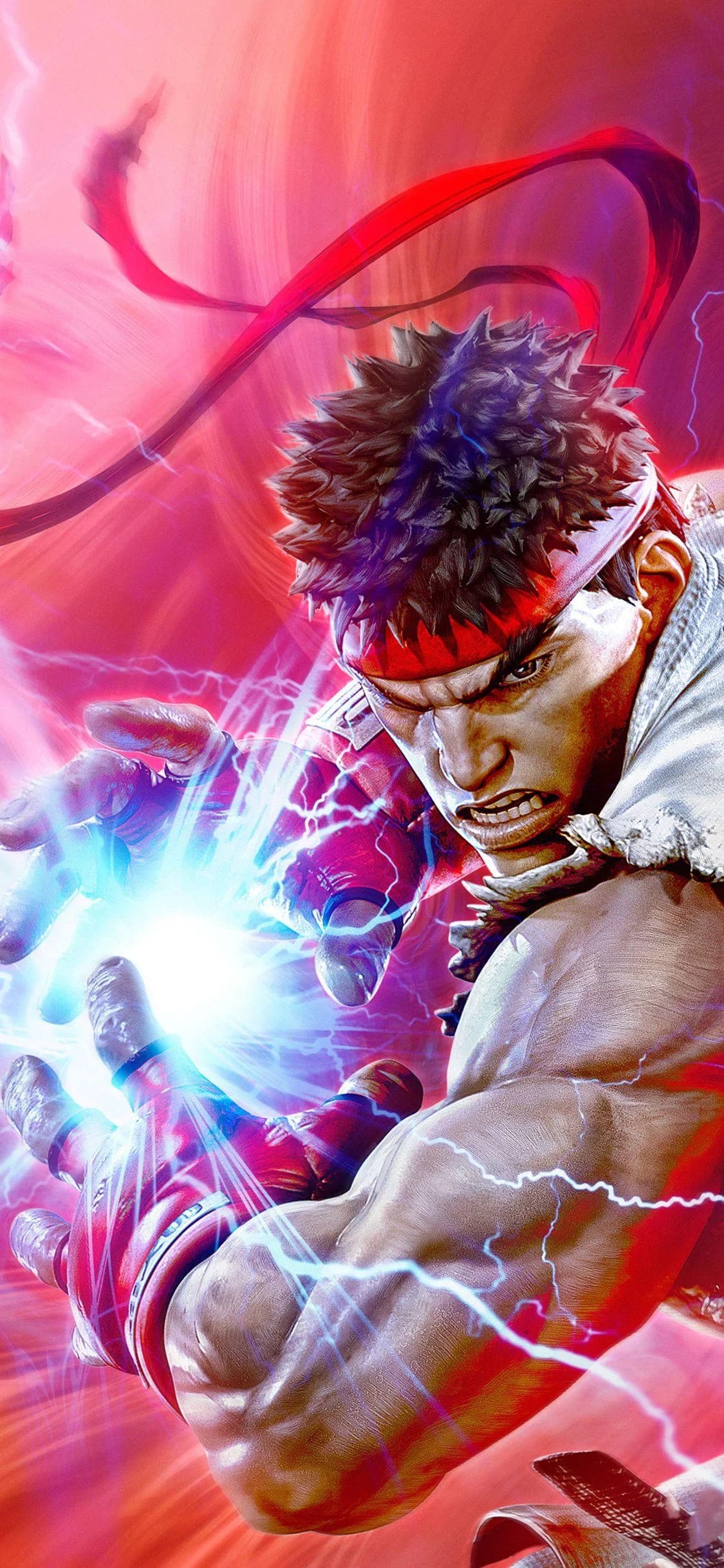
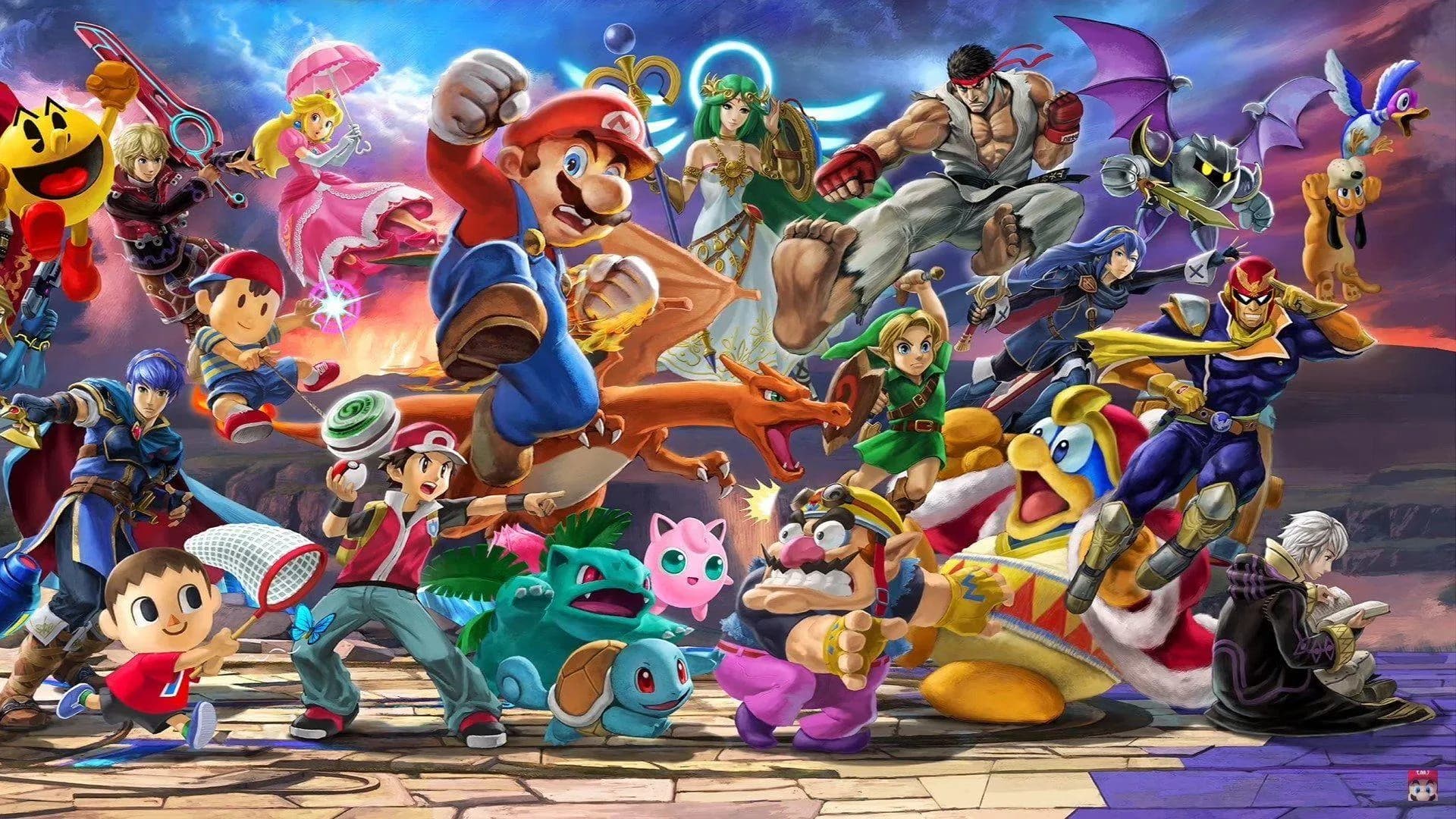
Mario, Link, Kirby and an expanding company of game characters meet on stages where winning means sending the other fighter flying. Super Smash Bros. turns their abilities, worlds and familiar objects into a shared fighting language. Competitive matches sit beside different single-player modes; the games do not form a conventional sequel story.
Esta guía todavía está disponible en inglés. Puedes usar los filtros y guardar tu progreso en español.
Timeline guide
Super Smash Bros.: Start with the Match You Want
Choose a Smash game for its fighters, modes and platform. Start with the Nintendo 64 original only for a historical tour; Ultimate does not require earlier campaigns first.
- Entries
- 5
- Released
- 5
- Span
- 1999-2018
The crossover brings game characters together for play. It does not make their original stories or every Smash mode one continuous canon.
Overview & recommendation
Smash teaches a shared language of movement, attacks and recovery, then lets each fighter complicate it. That is the important continuity between releases. A growing roster and a changed set of systems do not necessarily represent another chapter after a previous game's ending.
The single-player offerings also vary. Brawl stands out for its more story-led adventure, but that campaign should not become a required prologue to every other game's modes. The collection works better as a comparison of ways to play the crossover than as an attempt to synchronize the worlds its characters came from.
Choose the entry and platform whose play you want to explore. For the series' development, use Release order from the original through the later games. For Brawl's narrative mode, begin that mode within Brawl rather than treating all earlier games as missing story chapters.
Choosing a Smash Playing Route 5 entries
A release-led tour compares the games. A new player can instead begin with the chosen title's own tutorials, fighters and modes.
- 11999Super Smash Bros.Game · 1999
- 22001Super Smash Bros. MeleeGame · 2001
- 32008Super Smash Bros. BrawlGame · 2008
- 42014Super Smash Bros. for Nintendo 3DS / Wii UGame · 2014
- 52018Super Smash Bros. UltimateGame · 2018
Frequently asked questions 6 answers
Must I finish Brawl before playing Ultimate?
No. Brawl's story-led mode belongs to that game. Ultimate is another playing choice, not a sequel campaign requiring that ending.
Do I need to know every fighter's original series?
No. Familiarity can add enjoyment to the crossover, but the roster is not a required reading or playing list before learning Smash.
How many Super Smash Bros. games are there?
There are 5 Super Smash Bros. games released between 1999 and 2018.
What is the chronological order of Super Smash Bros.?
In chronological (in-universe) order, Super Smash Bros. begins with Super Smash Bros. (1999) and ends with Super Smash Bros. Ultimate. The full chronological list of 5 games is above.
What is the release order of Super Smash Bros.?
By release date, Super Smash Bros. starts with Super Smash Bros. (1999). The most recent release is Super Smash Bros. Ultimate (2018).
What is the newest Super Smash Bros. release?
The newest released game is Super Smash Bros. Ultimate (2018). See where it falls in the chronological and play order lists above.
Last reviewed: .
Si te gusta, explora también
Kirby
Explorar cronología
Mario Games
Explorar cronología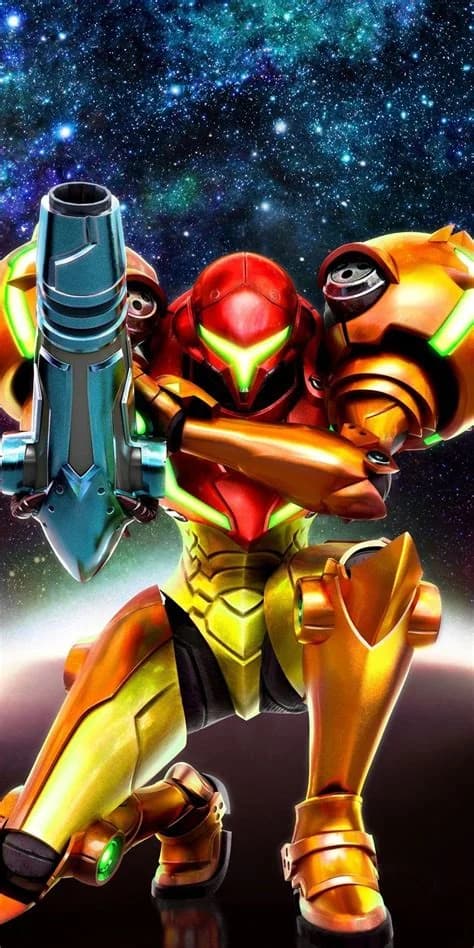
Metroid
Explorar cronología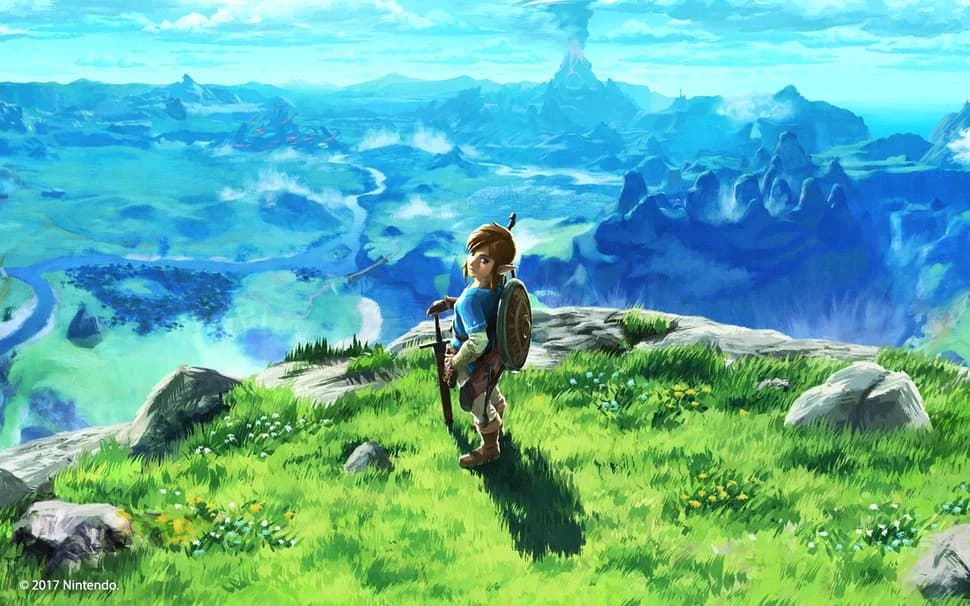
The Legend of Zelda
Explorar cronología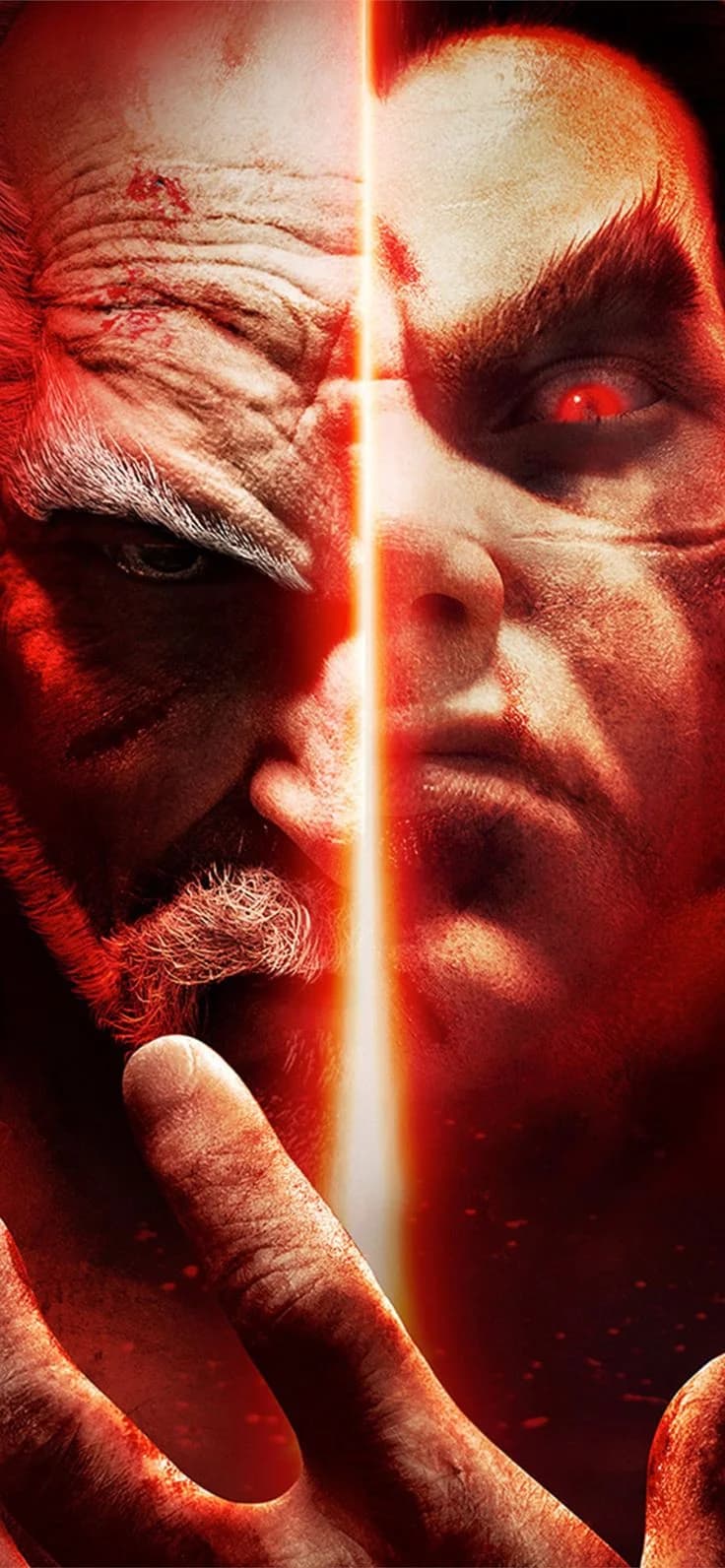
Tekken
Explorar cronología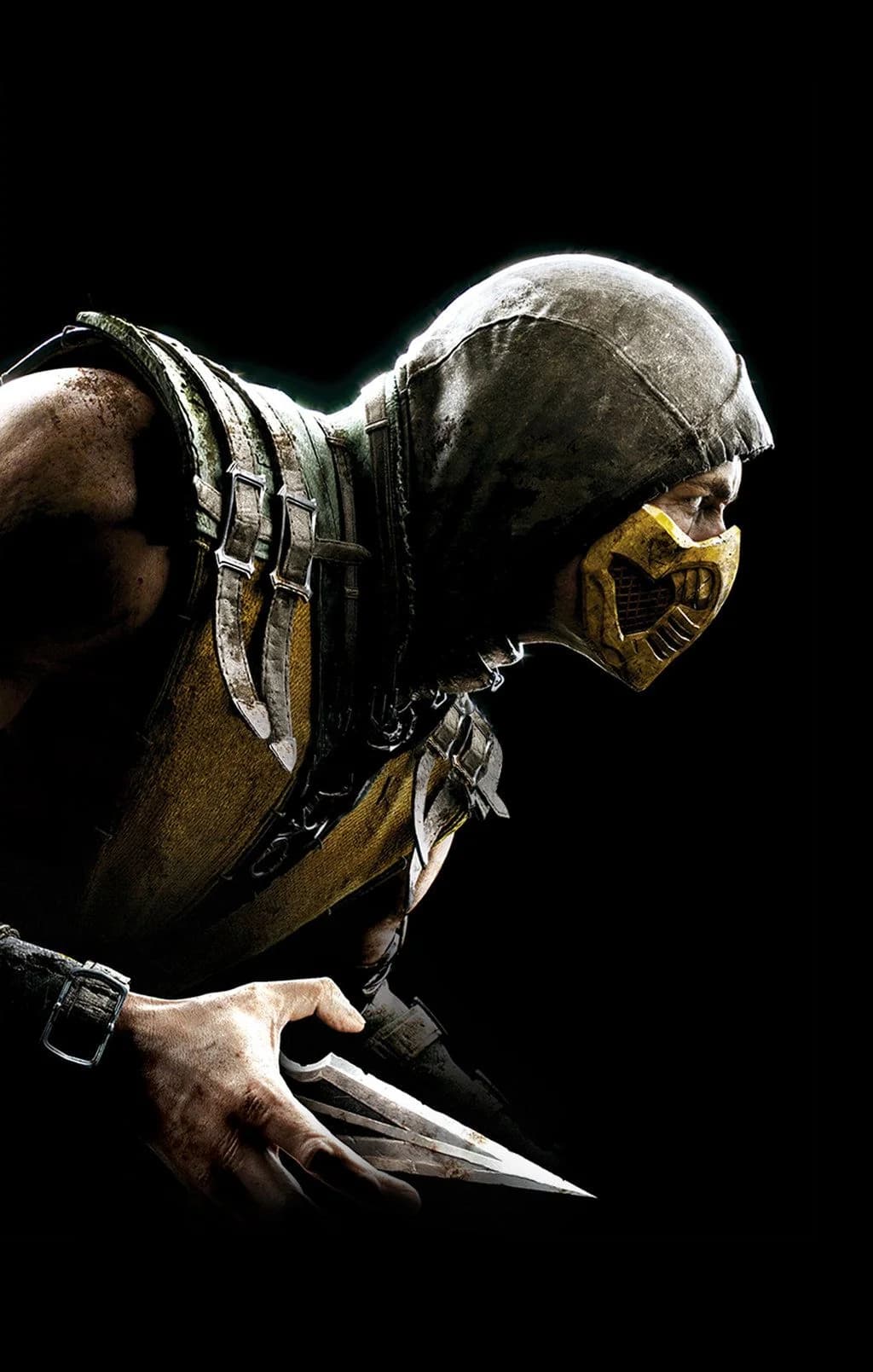
Mortal Kombat
Explorar cronología
Just Dance
Explorar cronología